Blue Origin Wins NASA Contract for Future Moon Rover Missions
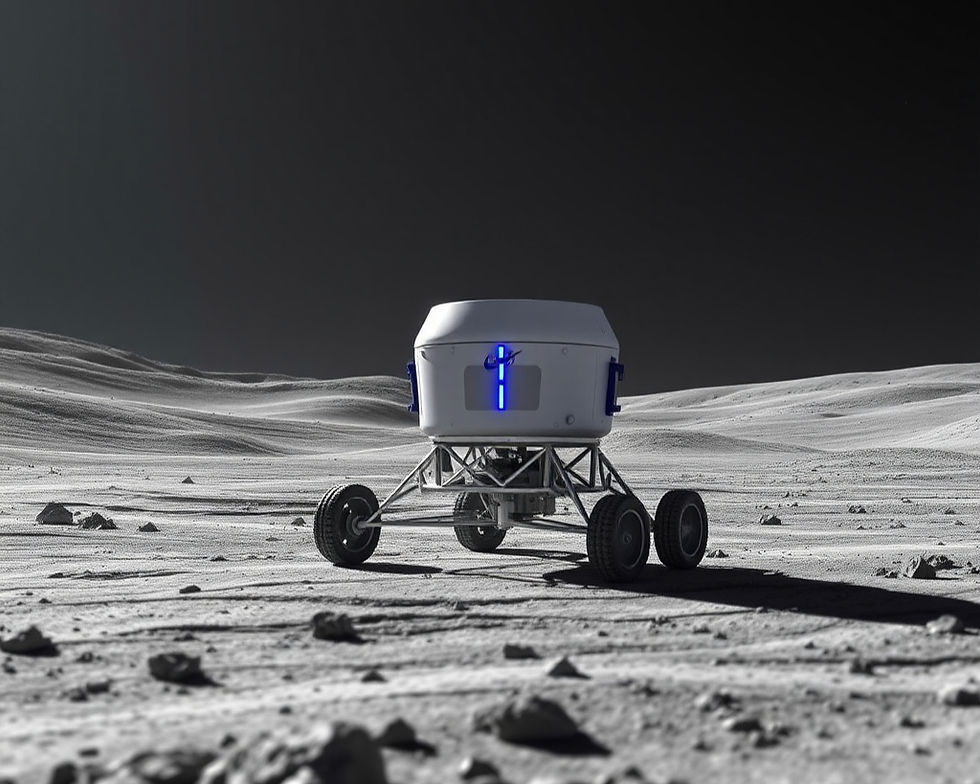
NASA is taking another major step toward turning the moon into a long-term destination for human exploration, unveiling new partnerships with private aerospace companies to help build a future lunar outpost near the moon’s South Pole.
The agency announced Tuesday that Blue Origin will handle the transportation of lunar vehicles and mission equipment under a contract valued at more than $188 million. The effort is part of NASA’s larger Moon Base initiative, a program aimed at establishing a lasting human presence on the moon by the 2030s.
To support those missions, NASA also selected two companies to design the next generation of lunar rovers. Astrolab, based in California, received a $219 million contract, while Colorado’s Lunar Outpost secured a separate award worth $220 million. The vehicles will eventually be delivered to the lunar surface aboard Blue Origin spacecraft.
The announcements come shortly after the successful Artemis II mission, which carried astronauts around the moon for the first time in over five decades. NASA officials say the next milestone will be a crewed lunar landing in 2028, followed by regular expeditions in the years after.
Under the Moon Base plan, robotic missions will first explore the lunar South Pole and begin preparing the area for future astronauts. By the end of the decade, NASA expects to install key infrastructure, including solar power systems and support equipment. In the early 2030s, astronauts could begin living and conducting research in semi-permanent habitats built on the lunar surface.
Scientists have identified the South Pole as one of the moon’s most promising regions because it receives extended periods of sunlight, making solar energy more practical. Some nearby craters may also contain frozen water, a resource considered critical for long-duration missions.
Despite its scientific value, the environment poses extreme dangers. Temperatures can climb above 250 degrees Fahrenheit in sunlight and plunge far below minus-200 degrees in darkness. In permanently shadowed craters, conditions are even harsher, with temperatures dropping below minus-400 degrees.
NASA Administrator Jared Isaacman warned that the moon offers no atmosphere to shield astronauts from radiation, solar storms, or meteorite impacts. He described the lunar environment as both breathtaking and unforgiving, stressing that future missions will depend on highly reliable systems and logistics.
NASA views the Moon Base program as more than a lunar project. Officials say the technologies and operational experience gained on the moon will eventually help prepare humans for missions to Mars.
Carlos García-Galán, one of the project’s lead executives, said establishing a permanent lunar presence requires much more than constructing habitats. The agency must also create dependable transportation, supply, and communication systems capable of supporting astronauts for long periods away from Earth.
NASA additionally awarded Firefly Aerospace a $75 million contract to build spacecraft that will transport robotic drones to the moon in 2028. Developed by NASA’s Jet Propulsion Laboratory, the drones will search for future landing locations and study the lunar terrain ahead of upcoming Artemis missions.
Officials also credited Artemis II with reigniting public excitement about space exploration. According to NASA leaders, renewed interest in lunar missions reflects growing enthusiasm for humanity’s return to the moon — this time with plans to remain there for the future.


Comments